Eşit duvar kalınlığı vidalı pompalar
Cat:Tek vidalı pompalar
Eşit duvar kalınlığı stator, aynı tür pompa spesifikasyonları pompa akışı ve basınç ile donatılmış vida pompaları arttırılır. Statorun eşit duvar k...
Ayrıntıları gör
A vidalı pompa — aynı zamanda aşamalı boşluklu pompa veya tek vidalı pompa olarak da bilinir — bir veya daha fazla sarmal vidanın dönüşü yoluyla sıvıyı aktaran pozitif deplasmanlı bir pompadır. Santrifüj pompalardan farklı olarak vidalı pompalar, sıvıyı minimum türbülansla vida ekseni boyunca eksenel olarak hareket ettirir; bu da onları viskoz, kaymaya duyarlı veya katı madde yüklü ortamların taşınması için son derece uygun hale getirir. Atık su arıtma tesislerinden gıda işleme hatlarına kadar, Vidalı pompalar düzinelerce endüstriyel sektörde vazgeçilmezdir . Bu makale, bunların çalışma prensiplerini, uygulamalarını, yapısal bileşenlerini ve uzun vadeli operasyonel verimlilik için doğru vidalı pompa üreticisini seçmenin neden önemli olduğunu araştırıyor.
Vidalı pompanın çalışma prensibi pozitif deplasmana dayanmaktadır. Tek vidalı bir pompada (aşamalı boşluklu pompa), tek vidalı bir rotor, elastomerik bir statorun içinde eksantrik olarak döner. Rotor tipik olarak sarmal profilli sertleştirilmiş çelikten yapılırken, stator metal bir mahfaza içine yerleştirilmiş çift sarmallı bir elastomer manşondur. Rotor döndükçe, rotor ile stator arasında sızdırmaz boşluklar oluşur ve sıvı, düzgün, titreşimsiz bir akışla emme ucundan boşaltma ucuna doğru kademeli olarak itilir.
Bu mekanizma vidalı pompaları peristaltik veya dişli pompalardan ayırır. Boşluklar kapalı olduğundan ve geri akış olmadan sürekli hareket ettiğinden, basınç oluşumu tutarlıdır ve akış, dönüş hızıyla orantılıdır . Hidrolik Enstitüsü'nün (HI) mühendislik referanslarına göre, aşamalı boşluklu pompalar, 1 cP'den 1.000.000 cP'ye kadar viskoziteler için derecelendirilmiştir ve bu da onları mevcut en çok yönlü sıvı işleme teknolojileri arasında kılar.
Progresif boşluklu pompalar için stator, kritik bir aşınma bileşenidir. Elastomer malzemesi (doğal kauçuk, NBR, EPDM veya FKM) pompalanan akışkanın kimyasal özelliklerine ve sıcaklığına uygun olmalıdır. Uyumsuzluk statorun zamanından önce şişmesine veya çatlamasına neden olur. Bu nedenle, deneyimli bir vidalı pompa üreticisinden progresif boşluklu pompalar için doğru yedek parçaların seçilmesi, pompanın uzun ömürlü olması açısından çok önemlidir.
Şekil 1: Helisel rotoru, elastomerik statoru, giriş/çıkış flanşlarını ve tahrik motorunu gösteren tek vidalı bir pompanın (aşamalı boşluklu pompa) izometrik 3 boyutlu şeması. Sıvı, rotor boyunca kapalı boşluklar ilerledikçe girişten çıkışa eksenel olarak hareket eder.
En yaygın vidalı pompa, çevre, sanayi, gıda ve enerji sektörlerinde kullanılmaktadır. Nazik, düşük kesmeli pompalama hareketleri, emülsifiye edilmemesi, havalandırılmaması veya bozunmaması gereken akışkanlar için idealdir. Aşağıda kilit sektörlere ve vidalı pompaların her birinde oynadığı özel role ilişkin yapılandırılmış bir genel bakış bulunmaktadır.
| Endüstri | Tipik Uygulama | Sıvı Tipi | Pompa Modeli |
|---|---|---|---|
| Atıksu Arıtma | Çamur transferi, biyogaz bulamacı | Katı madde içeren yüksek viskoziteli çamur | Çamur vidalı pompa |
| Gıda ve İlaç | Sos, krema, hamur, farmasötik bulamaç | Viskoz, kaymaya duyarlı | Gıda vidalı pompa (hijyenik) |
| Petrokimya | Ham petrol transferi, polimer dozajı | Ham petrol, ağır yakıt | Tek vidalı pompa |
| Kağıt ve Kağıt Hamuru | Kağıt hamuru, mürekkep, kaplama transferi | Lifli süspansiyon | Kanalizasyon vidalı pompa / dikey vidalı pompa |
| Kimyasal | Kimyasal dosing, slurry transfer | Aşındırıcı, aşındırıcı | Tek vidalı pompa with chemical-resistant stator |
| Madencilik ve Enerji | Maden susuzlaştırma, kömür bulamacı | Aşındırıcı çamur | Dikey vidalı pompa |
Atık sularda vidalı pompalar (kanalizasyon vidalı pompası ve çamur vidalı pompası uygulamaları) en büyük küresel kullanım segmentlerinden birini temsil eder. Küresel Su İstihbarat Piyasası Raporu 2022'ye göre, atık su arıtma altyapı yatırımı yıllık 130 milyar doları aştı; ilerici boşluklu pompalar, dünya çapında çamur işleme ekipmanı tedarikinde önemli bir paya sahip. %10 DS'ye kadar kuru katı madde konsantrasyonlarında çamuru işleme kabiliyetleri, onları bu tür koşullardaki santrifüj alternatiflerinden çok daha üstün kılmaktadır.
Vidalı pompaların nerede alternatiflerden daha iyi performans gösterdiğini anlamak, mühendislerin ve satın alma yöneticilerinin bilinçli kararlar almasına yardımcı olur. Aşağıdaki yatay çubuk grafik, viskoz akışkan uygulamaları için dört yaygın endüstriyel pompa tipindeki temel performans özelliklerini karşılaştırmaktadır.
Şekil 2: Tek vidalı pompaları, çift vidalı pompaları, dişli pompaları ve santrifüj pompaları altı temel performans boyutunda karşılaştıran yatay çubuk grafik. Tek vidalı pompalar viskozite kullanımı, katı madde toleransı, akış tutarlılığı ve kaymaya duyarlı sıvılara uygunluk açısından sürekli olarak en üst sıralarda yer alır.
Grafiğin gösterdiği gibi, tek vidalı pompalar viskozite kullanımında ve kayma hassasiyetinde liderdir Bu da bunların gıda vidalı pompa uygulamalarında (örn. domates salçası, yoğurt, çikolata) ve farmasötik bulamaç transferlerinde yaygınlığını açıklamaktadır. Dişli pompalar, temiz, düşük viskoziteli sıvılar için enerji verimliliği açısından rekabetçidir ancak yakın boşluk bileşenleri, katı madde yüklü veya aşındırıcı ortamlar için uygun değildir. Santrifüj pompalar, düşük viskoziteli su benzeri akışkanlar için uygun maliyetli olsa da, viskozite 200 cP'nin üzerine çıktıkça verimliliğini hızla kaybeder ve aşamalı boşluklu pompa alanına tamamen uygun değildir.
Çeşitli vidalı pompa türlerini anlamak, mühendislerin kendi özel uygulamaları için doğru konfigürasyonu seçmelerine yardımcı olur. Vidalı su pompası pazarı, her biri farklı akışkan özellikleri ve kurulum ortamları için optimize edilmiş çeşitli farklı konfigürasyonları kapsar.
En yaygın kullanılan varyant olan tek vidalı pompa, elastomerik bir statorun içinde bir sarmal rotor kullanır. 1.000.000 mPas'a kadar viskoziteleri, ağırlıkça %40'a kadar katı madde içeriğini yönetir ve model boyutuna bağlı olarak 0,01 m3/saatten 500 m3/saatin üzerine kadar akış hızları sunar. Tek vidalı rotor pompanın kalbidir; krom kaplamalı sertleştirilmiş çelik yapısı aşındırıcı işlerde aşınma direnci sağlarken, sarmal geometrisi pompanın hacimsel verimliliğini belirler.
Çift vidalı pompalar, birbirine geçen iki sarmal rotor kullanır ve tek vidalı tasarımlara göre daha yüksek akış hızlarına ve basınçlara olanak tanır. Petrol ve gaz sektöründe çok fazlı akış uygulamaları için tercih edilirler. Bununla birlikte, daha dar rotor-rotor açıklıkları nedeniyle genellikle yüksek viskoziteli veya aşındırıcı akışkanlar için uygun değildirler.
Dikey vidalı pompa, kartere monteli veya çukur kurulumlu çalışma için tasarlanmış dalgıç veya yarı suya daldırılabilir bir modeldir. Harici astarlama ihtiyacını ortadan kaldırır ve hazneler, tanklar ve zemin altı kurulumlar için idealdir. Dikey konfigürasyon, zemin alanı kullanımını en aza indirir ve belediye atık su transfer istasyonlarında ve endüstriyel atık çukurlarında yaygındır.
Bunlar, pompalanan ortamdaki katıların konsantrasyonu ve doğasına göre işlevsel olarak farklılaşır. Kanalizasyon vidalı pompaları lifli ve katı içerikli ham belediye atık sularını işlerken, çamur vidalı pompalar koyulaştırılmış biyokatılar (%2-8 DS) ve hatta suyu alınmış kek (%30'a kadar DS) için tasarlanmıştır. Her ikisi de ilerici kavite teknolojisine güveniyor ancak yoğun ortamın daha yüksek tork taleplerini karşılamak için güçlendirilmiş statorlar ve ağır hizmet tipi üniversal mafsallar kullanıyor.
Vidalı pompanın en önemli özelliklerinden biri dönme hızı (RPM) ile hacimsel akış hızı arasındaki doğrusal ilişkidir. Akış-basınç eğrisi parabolik olan ve viskozite değişikliklerine duyarlı olan santrifüj pompaların aksine, vidalı pompalar geniş bir çalışma basıncı aralığında devir başına neredeyse sabit bir akış sağlar. Aşağıdaki çizgi grafik, iki diferansiyel basınçta temsili bir tek vidalı pompa için akış hızının hıza göre nasıl ölçeklendiğini göstermektedir.
Şekil 3: 2 bar ve 6 bar diferansiyel basınçlarda temsili bir tek vidalı pompa için dönüş hızı ile akış hızı arasındaki doğrusala yakın ilişkiyi gösteren performans eğrileri. Daha yüksek basınçtaki hafif azalma, pozitif deplasmanlı pompa tasarımının normal bir özelliği olan artan iç kaymadan kaynaklanmaktadır.
Bu doğrusallık pratikte önemlidir: bu şu anlama gelir: değişken frekanslı bir sürücü (VFD), motor hızını ayarlayarak akış hızını hassas bir şekilde kontrol edebilir Ek akış kontrol valflerine ihtiyaç duymadan doğru ölçüm ve dozajlamayı mümkün kılar. Kimyasal dozajlama, gıda porsiyonlama veya farmasötik dolum uygulamaları için bu özellik, sonraki ölçüm düzeltmelerine olan ihtiyacı ortadan kaldırır. Daha yüksek diferansiyel basınçlardaki hafif akış düşüşü (grafikte görülebilir), artan kaymadan kaynaklanmaktadır; bu, uygulama için doğru stator geometrisi ve elastomerin seçilmesiyle idare edilen iyi anlaşılmış bir olgudur.
Vidalı pompa aksesuarları ve dahili bileşenlerin kapsamlı bir şekilde anlaşılması, bakım planlaması ve toplam sahip olma maliyeti analizi için çok önemlidir. Aşamalı boşluklu pompalar, yedek parça yönetimini kolaylaştıran nispeten az sayıda temel bileşenden oluşur; ancak uzun vadeli güvenilirliğin sağlanması için her bileşenin katı toleransları karşılaması gerekir.
Lider vidalı pompa üreticisi olarak, Jingjiang Meijia Pompa Sanayi A.Ş., Ltd. önde gelen küresel pompa markalarının çoğuyla uyumlu, progresif boşluklu pompalar için eksiksiz bir yedek parça yelpazesi sağlar. Gereksinim ister yedek tek vidalı rotor, ister aşamalı boşluklu pompalar için yeni bir stator, isterse komple bir tahrik çubuğu tertibatı olsun, Meijia'nın mühendislik ekibi OEM boyut ve malzeme özelliklerini karşılayan veya aşan parçalar sağlar. Bu çapraz uyumluluk, Meijia'yı yedek parça envanterindeki karmaşıklığı azaltmak isteyen bakım yöneticileri için değerli bir vidalı pompa aksesuarları tedarikçisi haline getiriyor.
Küresel aşamalı boşluklu pompa pazarı, atık su altyapı yatırımları, hijyenik pompa tasarımlarını zorunlu kılan gıda güvenliği düzenlemeleri ve petrol ve gaz endüstrisinin güvenilir çok fazlı transfer ekipmanına olan ihtiyacının etkisiyle son on yılda istikrarlı bir şekilde genişledi. Aşağıdaki sütun grafiği, 2019 = 100'e endekslenmiş olarak 2019'dan 2024'e kadar büyük sektörler genelinde tahmini küresel aşamalı kavite pompası dağıtım artışını göstermektedir.
Şekil 4: 2019'dan 2024'e (tahmini) kadar beş büyük endüstride aşamalı boşluklu pompa pazarı benimseme endeksini gösteren 3 boyutlu sütun grafiği. Atık su ve gıda/ilaç sektörleri, sıkılaşan çevre standartları ve gıda güvenliği düzenlemelerinin etkisiyle en güçlü büyümeyi gösteriyor. Veriler açıklayıcıdır ve sektör eğilim analizine dayalı olarak 2019 temel = 100'e endekslenmiştir.
Atık su arıtma sektörü, özellikle Asya-Pasifik ve Latin Amerika'da belediye kanalizasyon altyapısının genişletilmesine yönelik küresel politika taahhütlerini yansıtan en dramatik büyüme gidişatını göstermektedir. Gıda vidalı pompa segmenti CIP/SIP (yerinde temizleme/yerinde sterilize etme) uyumluluğu nedeniyle aşamalı boşluklu pompaları tercih eden EHEDG (Avrupa Hijyenik Mühendislik ve Tasarım Grubu) ve 3-A Sıhhi Standartlar gibi standartların getirdiği hijyenik tasarım gereklilikleri nedeniyle hızla büyümüştür. Kimya ve kağıt/selüloz sektörleri daha istikrarlı ve artan bir büyüme gösteriyor.
Çift vidalı ve santrifüjlü alternatiflere göre tek vidalı pompa performansının kapsamlı bir görünümünü sağlamak için aşağıdaki radar şeması aynı anda beş temel boyutu değerlendirmektedir. Bu tür çok eksenli karşılaştırma, Avrupa Pompa Üreticileri Birliği (Europump) ve Hidrolik Enstitüsü (HI) gibi kaynaklardan alınan mühendislik seçim metodolojilerinde tavsiye edilmektedir.
Şekil 5: Tek vidalı pompaları, çift vidalı pompaları ve santrifüj pompaları beş mühendislik performansı boyutunda karşılaştıran radar grafiği. Tek vidalı pompanın poligonu (yeşil), ilerici boşluklu pompa uygulamalarında en kritik dört kriter olan viskozite aralığı, katı madde taşıma, kesme hassasiyeti ve akış doğruluğu boyutlarında belirgin şekilde daha büyüktür. Santrifüj pompalar, temiz akışkan hizmetlerinde yalnızca bakım kolaylığı açısından avantaj sağlar.
Radar karşılaştırması mühendislik uygulamalarını doğruluyor: akışkan karmaşıklığının yüksek olduğu durumlarda tek vidalı pompalar tercih edilen çözümdür — bunun yüksek viskozite, önemli miktarda katı madde içeriği, kaymaya duyarlı biyoloji veya hassas hacimsel ölçüm gerekliliği anlamına gelip gelmediği. Santrifüj pompalar, verimlilikleri ve düşük satın alma maliyetlerinin seçimi haklı çıkardığı yüksek akışlı, düşük viskoziteli, temiz sıvı uygulamaları için uygun maliyetli olmaya devam ediyor. Uygulama gereksinimleri bu temiz sıvı idealinden uzaklaştıkça, tek vidalı pompanın kapsamlı kapasite profilinin karşılanması giderek zorlaşıyor.
Aşağıdaki resimde Jingjiang Meijia Pump Industry'nin tek vidalı pompa ürün serisinden üç temsili model gösterilmekte ve farklı kurulum ve uygulama gereksinimleri için mevcut konfigürasyon aralığı gösterilmektedir.
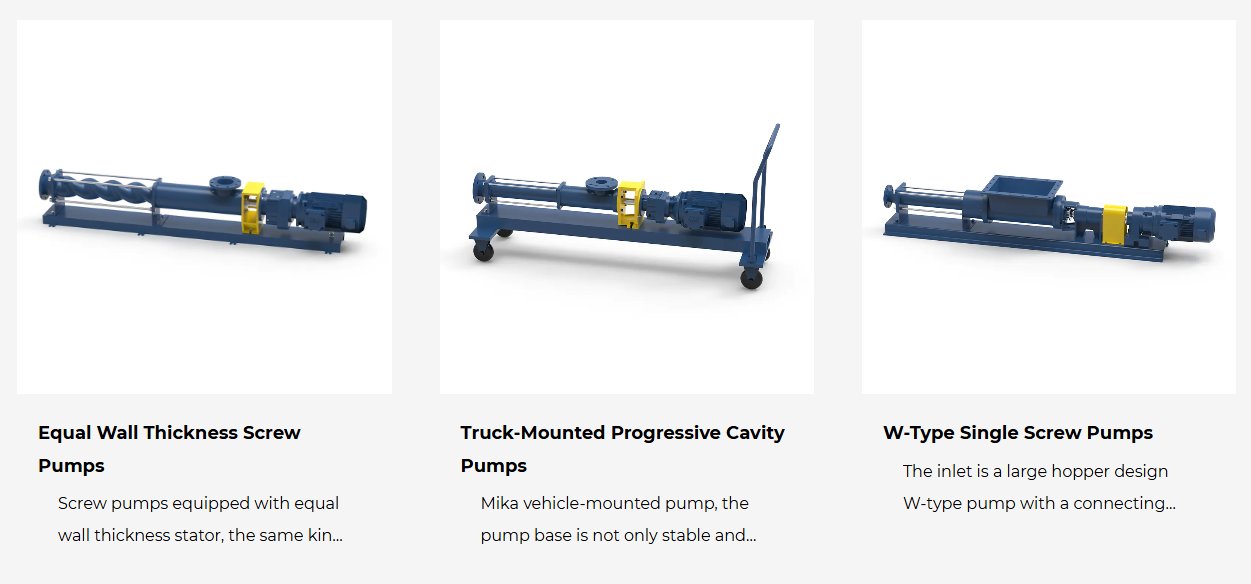
Şekil 6: Meijia Pump Industry tek vidalı pompa ürün serisi. Soldan sağa: Standart viskoz akışkan servisi için Eşit Duvar Kalınlığında Tek Vidalı Pompa; Mobil transfer işlemleri için Kamyona Monte Progresif Kavite Pompası; Yüksek viskoziteli ve yarı katı malzemeler için geniş hazne girişli W Tipi Tek Vidalı Pompa. Tüm modeller, aşamalı boşluklu pompa tasarımları için hassas işlenmiş tek vidalı rotorlar ve değiştirilebilir stator içerir.
Yukarıda gösterildiği gibi Meijia'nın ürün yelpazesi saha uygulamalarında karşılaşılan temel kurulum senaryolarını kapsamaktadır. Eşit Et Kalınlığında Tek Vidalı Pompa tüm uzunluğu boyunca tutarlı stator duvarı sıkıştırması sağlayarak, geleneksel tek delikli tasarımlarla karşılaştırıldığında stator servis ömrünü önemli ölçüde uzatır; özellikle aşındırıcı çamur vidalı pompa uygulamalarında önemlidir. Kamyona Monte Progresif Kavite Pompası mobil susuzlaştırma ve acil durum transfer gereksinimlerine yanıt vererek sabit altyapı olmadan hızlı dağıtım sunar. W-Tipi pompa Büyük boyutlu hazne girişi ile standart giriş konfigürasyonlarına yer çekimiyle beslenemeyen yüksek konsantrasyonlu çamur, macun ve yarı katı malzemeler için özel olarak tasarlanmıştır.
Jingjiang Meijia Pompa Sanayi A.Ş., Ltd. Jiangsu Eyaleti, Jingjiang Ekonomik ve Teknolojik Kalkınma Bölgesi, No. 36 Xintai Yolu'nda bulunan , tek vidalı pompa tasarımı ve üretimine onlarca yıllık üretim deneyimini getiriyor. Profesyonel bir vidalı pompa üreticisi olarak Meijia, gelişmiş CNC işlemeyi, stator üretimi için hassas kauçuk vulkanizasyonunu ve her üretim aşamasında sıkı şirket içi kalite kontrolünü entegre eder. Şirket, çevresel su arıtma, kimya, kağıt ve kağıt hamuru, gıda ve ilaç, petrokimya ve enerji sektörlerindeki müşterilere hizmet vererek her göreve doğru pompa konfigürasyonunu ve vidalı pompa aksesuarlarını eşleştirmek için derin uygulama bilgisini uygular.
Vidalı pompa seçimi, akışkan özelliklerinin, sistem koşullarının ve operasyonel gerekliliklerin yapılandırılmış bir değerlendirmesini gerektirir. Pompa tavsiyesi için vidalı pompa üreticisine başvurmadan önce aşağıdaki parametreler tanımlanmalıdır.
Meijia'nın mühendislik ekibi, doğru pompa modelini, stator elastomerini, conta konfigürasyonunu ve tahrik düzenini önermek için bu parametreleri sistematik olarak inceler. Çeşitli endüstrilerde tek vidalı pompalarla ilgili kapsamlı üretim deneyimiyle desteklenen bu danışmanlık yaklaşımı, spesifikasyon hatalarını azaltır ve sahada yüksek maliyetli erken arızaları önler.
İyi yürütülen bir bakım stratejisi, aşamalı boşluklu pompaların hizmet ömrünü önemli ölçüde uzatır ve toplam sahip olma maliyetini azaltır. Tek vidalı bir pompadaki iki ana aşınma öğesi, aşamalı boşluklu pompalar için stator ve tek vidalı rotordur; bunların her ikisi de, duruma dayalı değiştirme planlamasına izin veren öngörülebilir aşınma modellerini takip eder.
Stator aşınması, hacimsel verimde kademeli bir azalma olarak kendini gösterir; pompa aynı hızda daha az akış sağlar. Operatörler deşarj akış hızını hıza göre düzenli olarak izlemelidir. Aynı hız ve basınçta %10-15'ten fazla bir düşüş, genellikle stator değişiminin planlanması gerektiğinin sinyalini verir. Aşınmış bir statorun çalıştırılması, iç kaymanın artmasına, ısı üretimine ve rotor aşınmasının hızlanmasına neden olur. Meijia, aşamalı boşluklu pompalar için evrensel stator sağlıyor tüm önemli elastomer tiplerinde ve uyumluluk profillerinde, operatörlerin orijinal ekipman üreticilerinin uzatılmış teslim sürelerine bağlı kalmadan statörleri değiştirmelerine olanak tanır.
Üniversal mafsal aşınması, anormal titreşim, artan gürültü veya planlı kapatmalar sırasında görsel inceleme ile belirlenir. Değiştirme aralıkları sıvının aşındırıcılığına ve çalışma hızına göre büyük ölçüde değişir. Kanalizasyon vidalı pompası ve çamur vidalı pompası uygulamalarında, bağlantı noktalarının genellikle her 4.000-8.000 saatte bir incelenmesi gerekir. Meijia'nın komple tahrik tertibatları, hassas işlenmiş bağlantılara sahip alaşımlı çelikten üretilmiş olup, güvenilir güç aktarımı ve daha uzun bileşen ömrü sağlar.
Kuru çalışma (pompanın sıvı olmadan çalıştırılması) vidalı pompa için en zarar verici durumdur. Proses sıvısından yağlama ve soğutma yapılmazsa, stator elastomeri hızla ısınır ve birkaç dakika içinde yok edilebilir. Modern pompa kurulumları, otomatik kapatma kilitleriyle birlikte kuru çalışma algılamayı (stator sıcaklık sensörleri, akış anahtarları veya basınç izleme) içermelidir. Meijia'nın pompa sistemleri, bu kritik operasyonel riske yönelik entegre koruma paketleri ile tedarik edilebilir.
Jingjiang Meijia Pompa Sanayi A.Ş., Ltd. Jiangsu Eyaleti, Jingjiang Ekonomik ve Teknolojik Kalkınma Bölgesi, Xintai Yolu No. 36'da yer almaktadır. Tek vidalı pompalar ve yüksek kaliteli tek vidalı pompa yedek parçalarının üretimi, satışı ve satış sonrası servisini yapan profesyonel bir firmadır.
Özel bir vidalı pompa üreticisi ve tedarikçisi olarak Meijia Pump Industry, vidalı pompaların tasarımı, üretimi, denetimi ve komple sistem entegrasyonu konusunda uzmanlaşmış çok sayıda deneyimli, teknik açıdan olgun mühendisleri bir araya getirir. Meijia tek vidalı pompa ürünleri ileri teknolojiye, eksiksiz yapısal tasarıma, çeşitli konfigürasyonlara, kapsamlı özelliklere ve kanıtlanmış dayanıklılığa sahiptir. Çevresel su arıtma, kimya endüstrisi, kağıt ve kağıt hamuru, gıda ve ilaç, petrokimya ve enerji sektörlerinde yaygın olarak kullanılmaktadırlar.
Meijia Pump Industry ayrıca önde gelen global tek vidalı pompa markalarıyla uyumlu progresif boşluklu pompalar için evrensel vidalı pompa aksesuarları ve yedek parçaları da sağlar. Güçlü üretim kapasitesi, kapsamlı pratik deneyimi ve olgun teknolojik yetenekleri, tedarik edilen tüm ürünler için güvenilir performans garantileri sağlar. Şirketin satış sonrası hizmet merkezi, teslimat sonrası kapsamlı destek sağlamak için yetenekli mühendislerden oluşan özel bir ekip bulundurmaktadır. Meijia Pump Industry, tek vidalı pompa teknolojisinde güvenilir ortağınızdır ve tüm sektörlerden sektör liderleri tesisi ziyaret edebilir ve teknik uzmanlık alışverişinde bulunabilir.
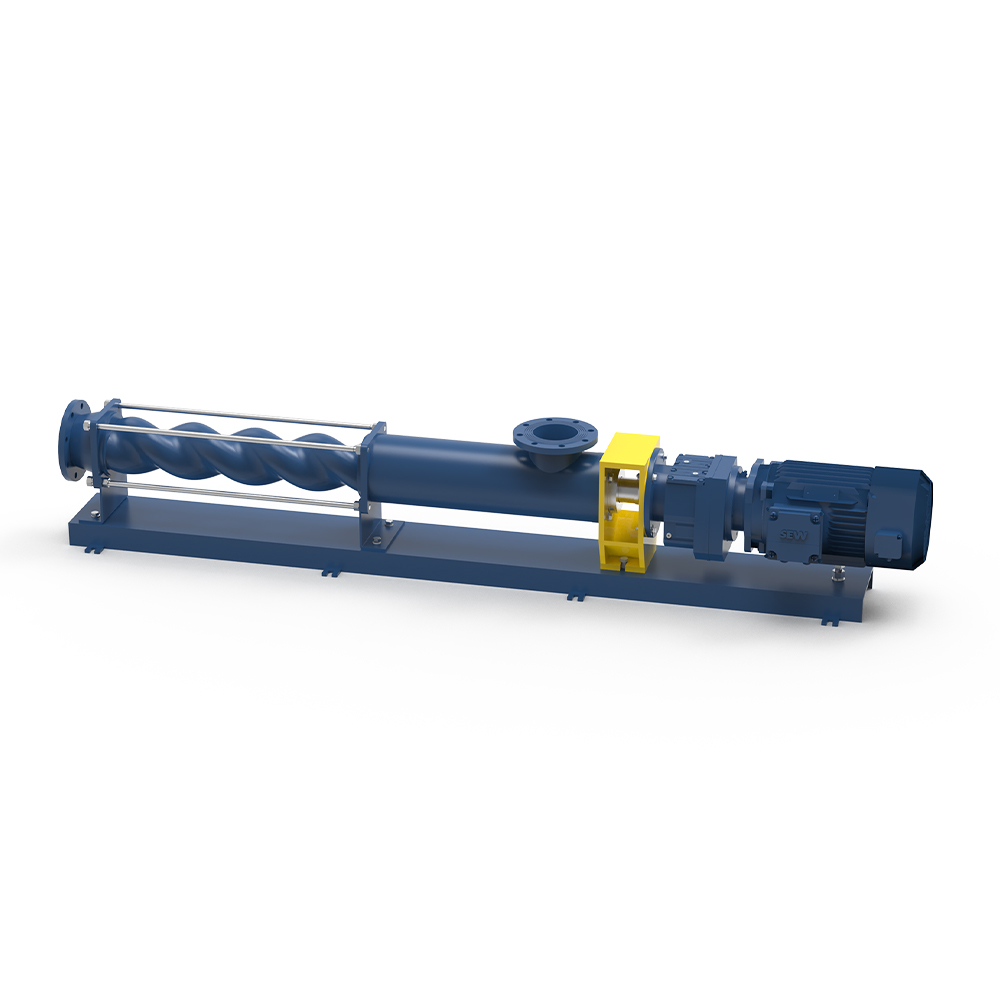
Eşit duvar kalınlığı stator, aynı tür pompa spesifikasyonları pompa akışı ve basınç ile donatılmış vida pompaları arttırılır. Statorun eşit duvar k...
Ayrıntıları gör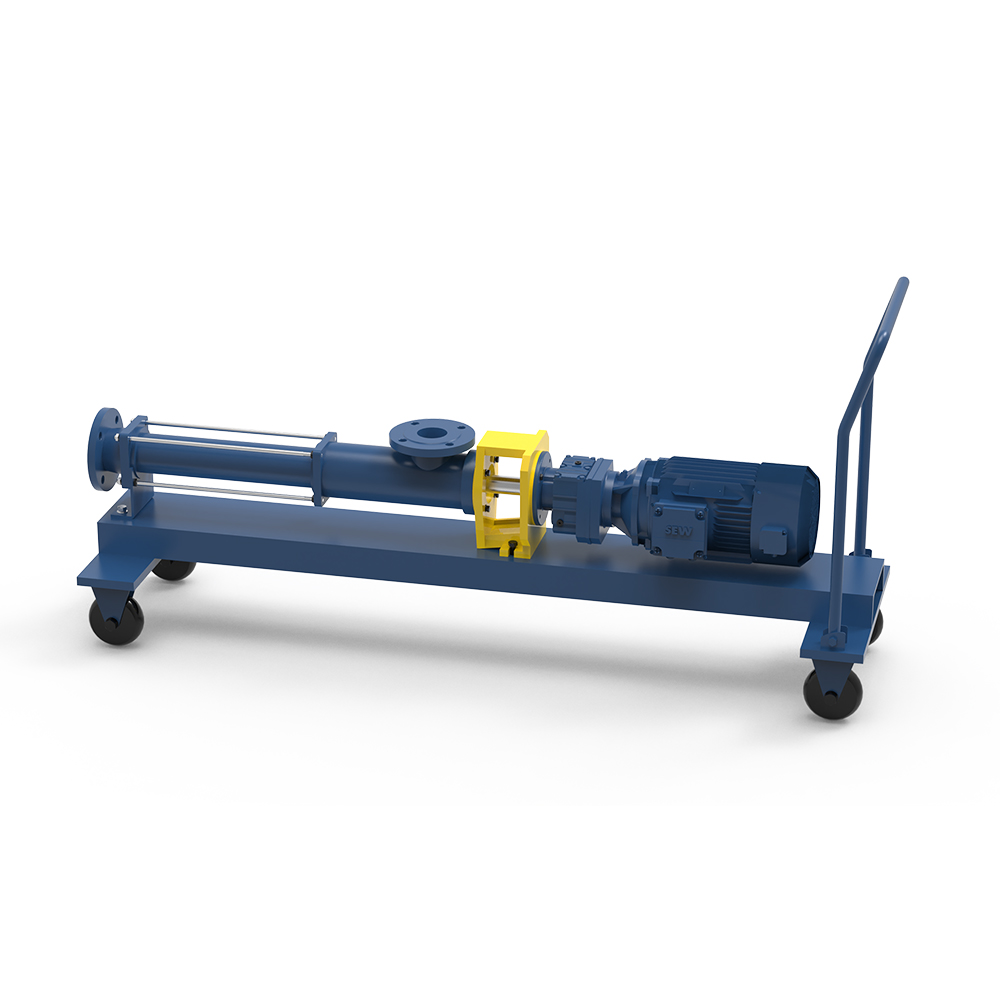
Mika araca monte pompa, pompa tabanı sadece kararlı ve güvenilir değil, aynı zamanda akıllıca evrensel tekerleklerle donatılmıştır, bu tekerlekler ...
Ayrıntıları gör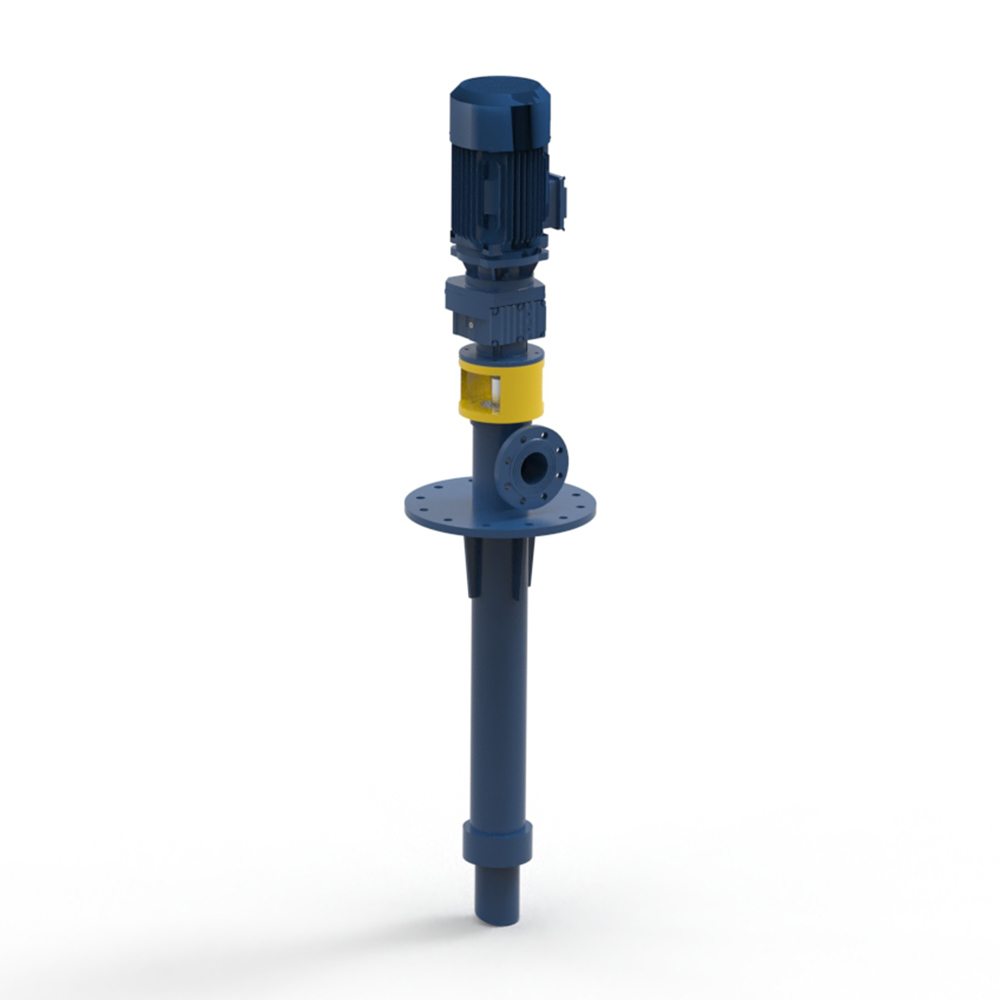
Mika dikey t-tipi vidalı pompalar, pompa gövdesinin uzunluğu boyunca havuzun çeşitli derinliklerine ulaşılabilir, pompanın haznesi havuzun altında ...
Ayrıntıları gör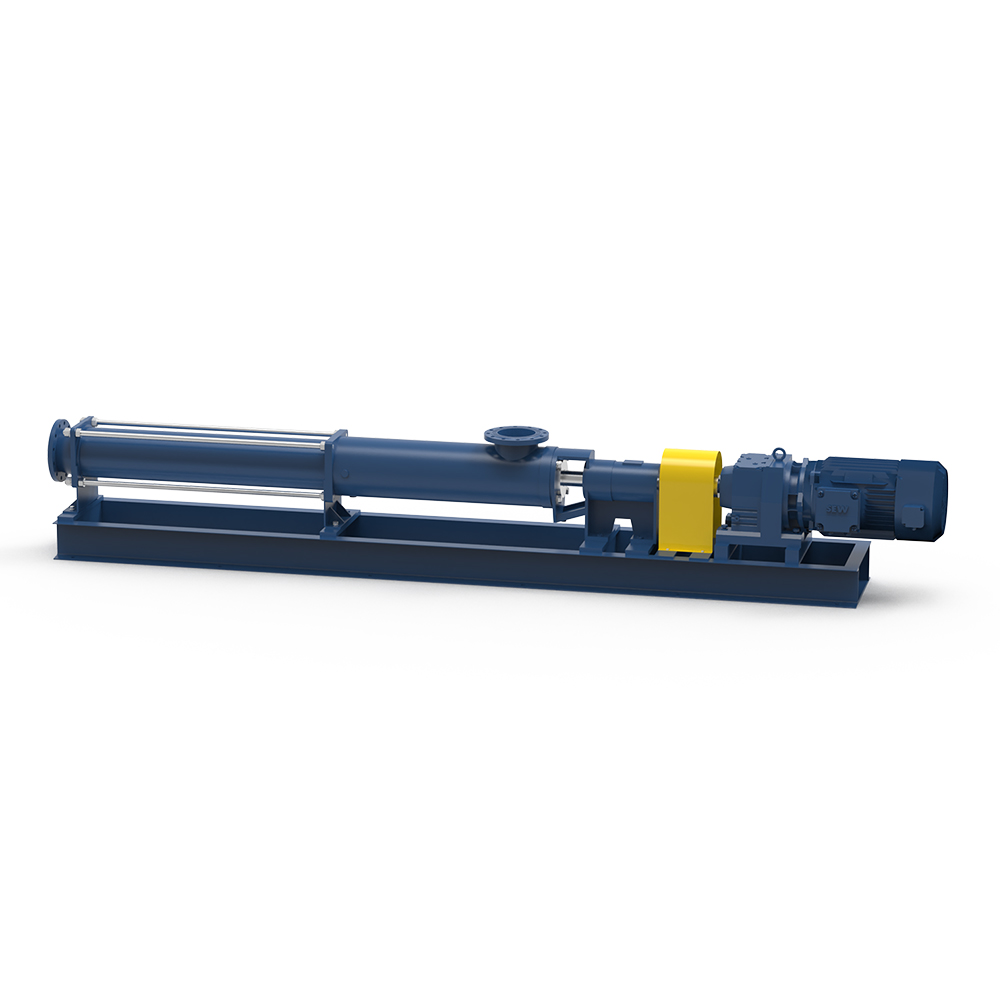
Yatak çerçevesi destekli S-pompası daha yüksek eksenel yüklere dayanabilir ve yüksek basınçlı koşullar için kullanılabilir, örn. Plaka ve çerçeve m...
Ayrıntıları gör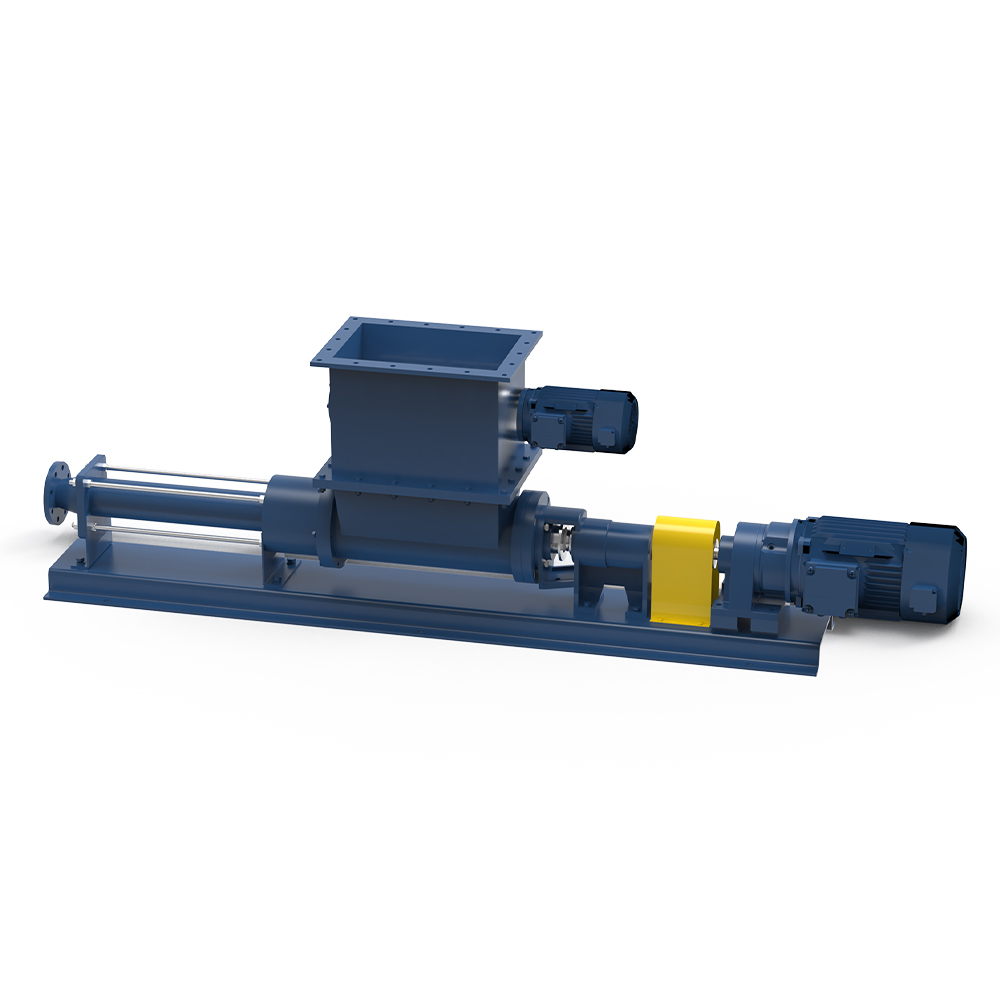
Giriş, köprü kıran bir cihaza sahip büyük bir hazne için tasarlanmıştır. Çalışma prensibi Meijia pompası aşamalı bir boşluk pompasıdır...
Ayrıntıları gör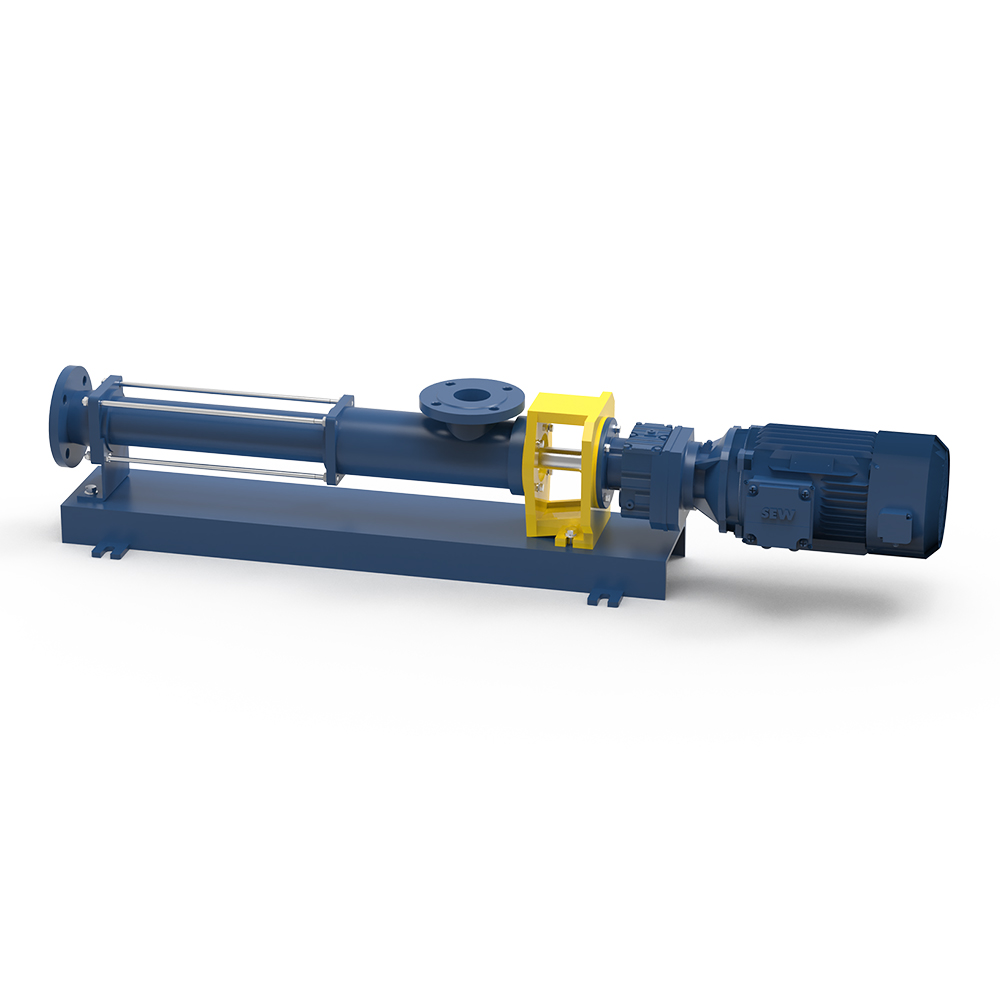
Mika Classic B doğrudan bağlantılı pompalar kompakt, bakımı kolay, düşük yatırım maliyetleri ile ve kanalizasyon ve çamur transferi gibi çok çeşitl...
Ayrıntıları gör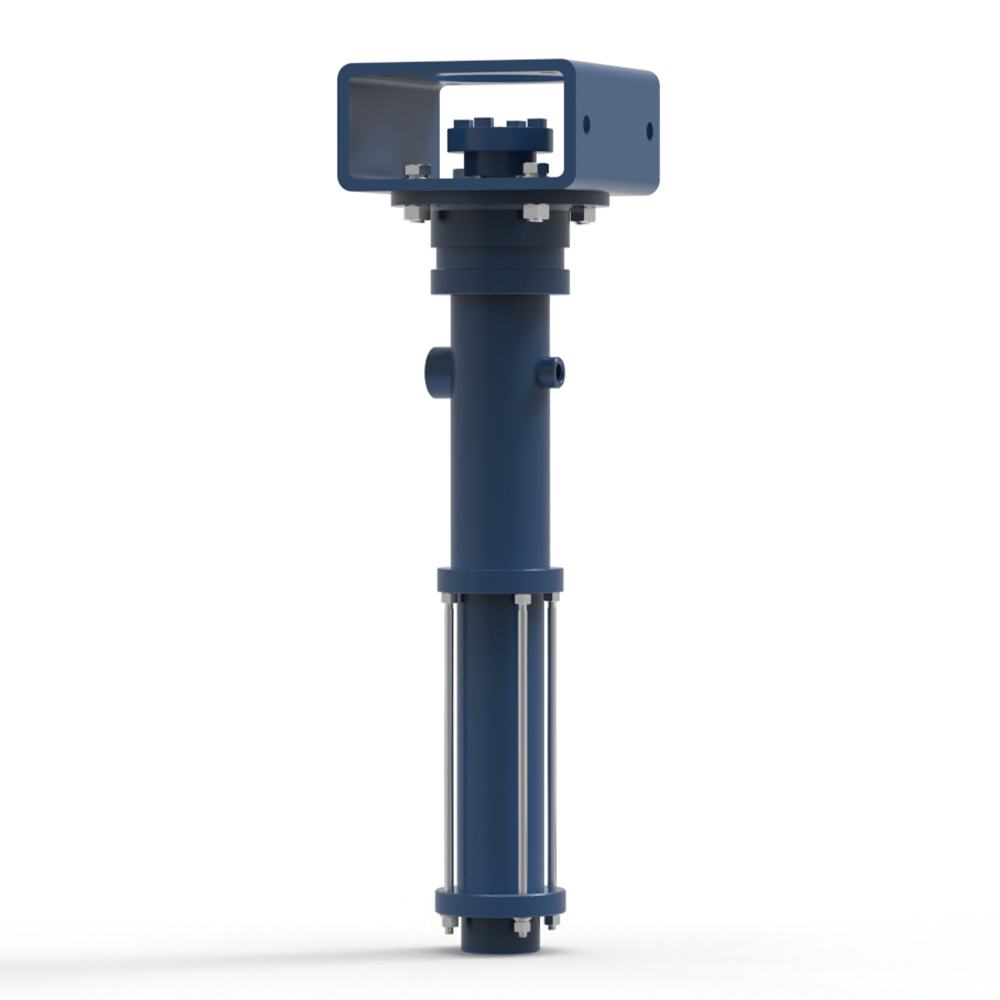
Hassas akış hızları ve her türlü sızdırmazlık maddesinin ölçülmesi ve verilmesi için çok çeşitli malzemeler. Çalışma prensibi Meijia p...
Ayrıntıları gör
NBR, HNBR, EPDM ve FKM gibi farklı çalışma koşulları için çeşitli malzemeler mevcuttur.
Ayrıntıları gör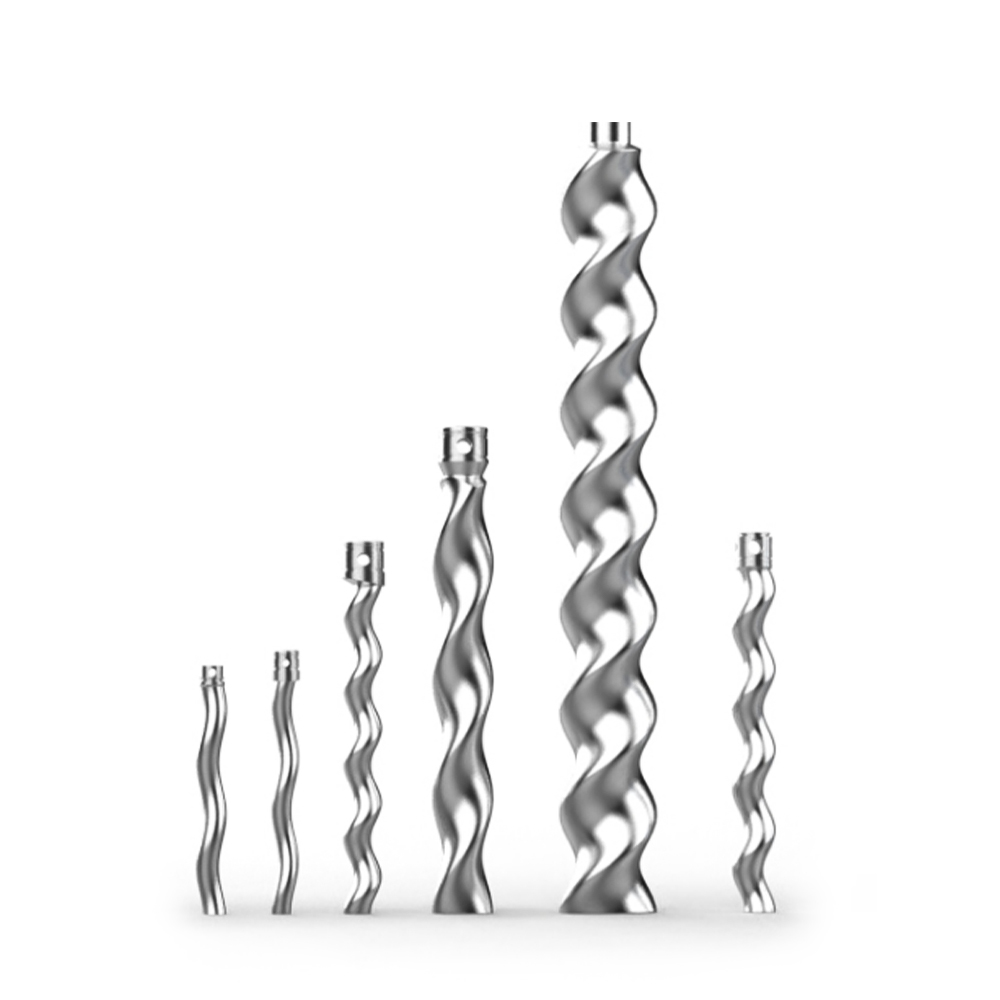
Mevcut çoklu malzeme, 304, 316L, 2205, rotor yüzey kaplaması krom kaplama veya tungsten karbür püskürtülmüş olabilir.
Ayrıntıları gör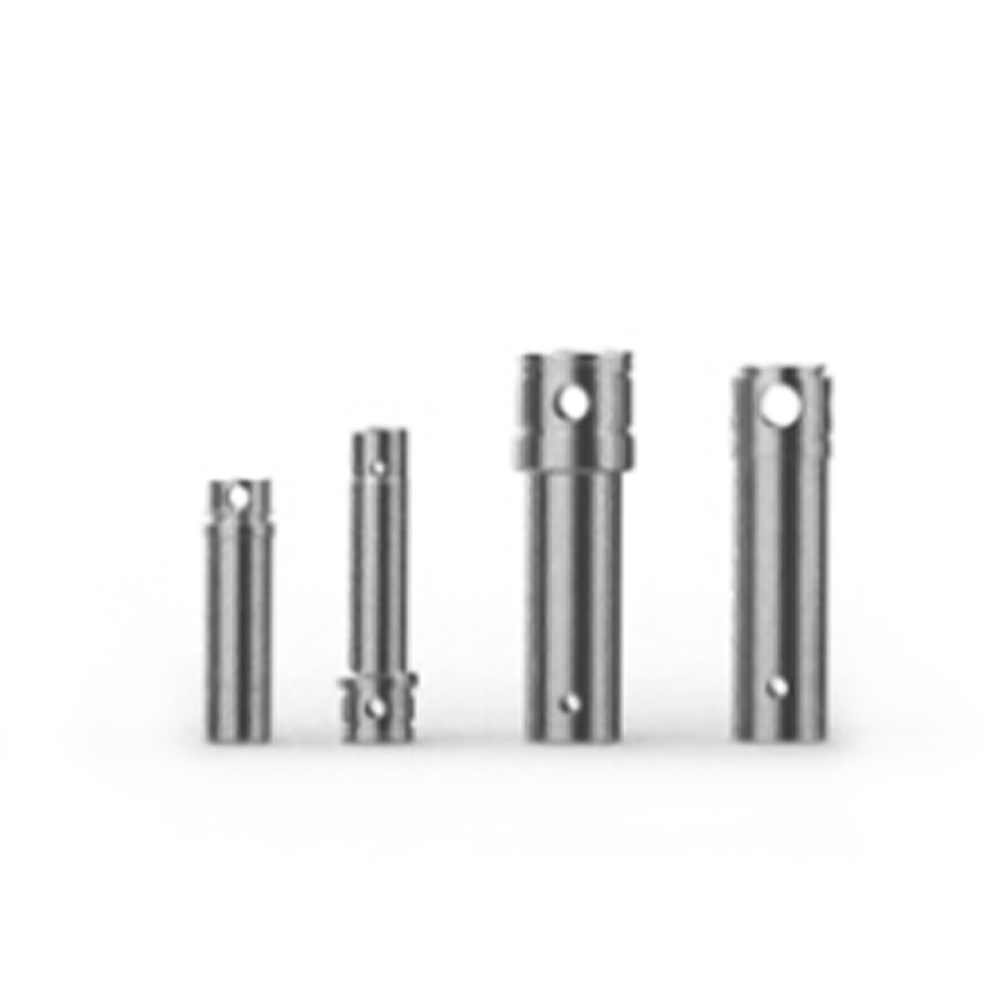
Mevcut çoklu malzeme: Q235.304.316L, 2205,2507, vb.
Ayrıntıları görBize Ulaşın
Add: 36 Xintai Yolu, Ekonomik Kalkınma Bölgesi, Jingjiang City, Jiangsu Eyaleti, Çin
Tel: +86-13515167342
Fax: +86-523-84261117
E-mail:
Seviyoruz
Sizden haber!
